Why early speech therapy can help your child thrive
If you have started to notice that your child is struggling to be understood, using fewer words than expected, or becoming frustrated when trying to communicate, it can be worrying. Many parents spot these signs early but are unsure whether to “wait and see” or seek support.
This was the experience of Sam, who lives with her family on a cattle property near Cloncurry. When changes in her youngest son Henry’s speech became noticeable, Sam says, “Words that he was saying frequently before, like mum and dad, he wasn’t saying anymore.” At the time, Sam felt unsure where to turn for help. “I was very frustrated as I didn’t know what services there were for people like us, living on stations.”
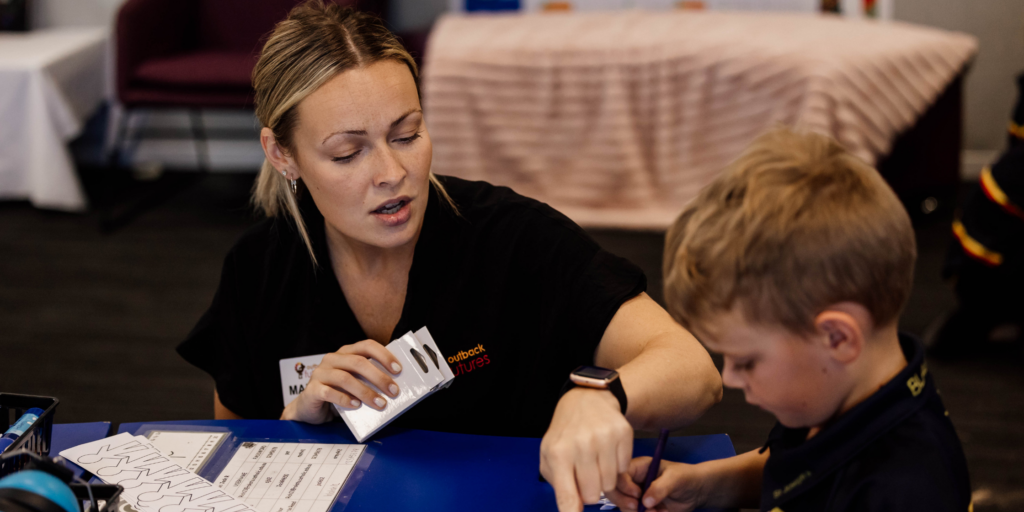
Speech therapy can help by understanding what is going on and supporting a child’s communication in a practical, age‑appropriate way. It can provide clarity for families who are unsure what their child needs or what options are available.
Early speech therapy focuses on building the skills children need to communicate clearly and confidently. With the right support at the right time, small concerns can be addressed early, helping children build strong foundations for learning, relationships and everyday life.
How early speech therapy supports children
Building strong communication skills
Speech therapy helps children develop clear speech and language, making it easier for them to share their thoughts, needs and feelings.
Supporting confidence
When children are able to express themselves and be understood, they often feel more confident at home, at school and with other children.
Making learning easier
Language skills are the foundation for reading, writing and learning. Support early on can make these milestones feel more achievable.
Strengthening social connections
Clear communication helps children connect with others, join in play and build friendships.
Why starting early can make a difference
Younger brains are highly adaptable, which means progress can often come more easily with early support. Addressing communication challenges early can also reduce frustration for both children and parents, easing everyday misunderstandings and helping home life run more smoothly.
Early intervention can improve long‑term outcomes too, supporting your child’s wellbeing now and into adulthood.
You can read how early speech therapy supported Henry to find his voice, and how Sam navigated support while living on a property, in their full story here.
It is never too early to start
One common worry we hear from parents is whether their child is “too young” for speech therapy.
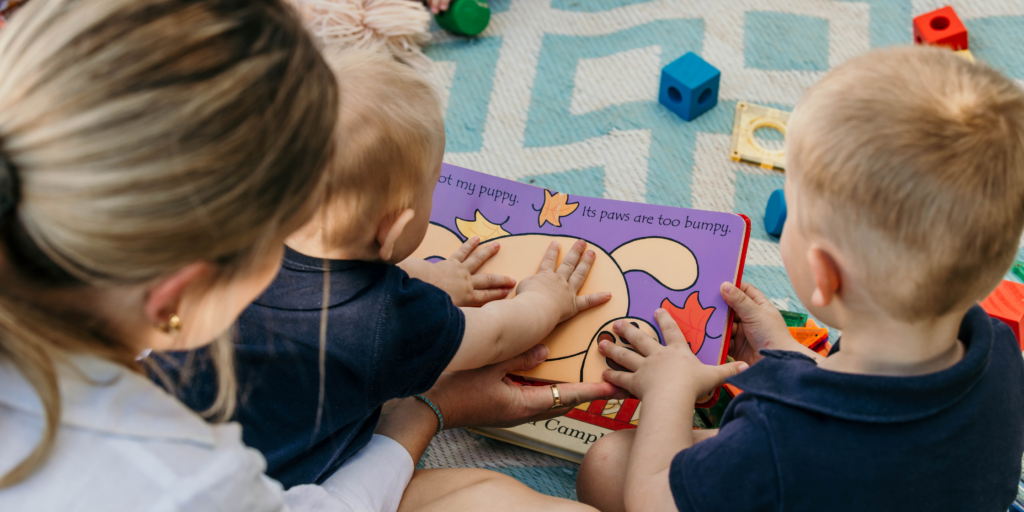
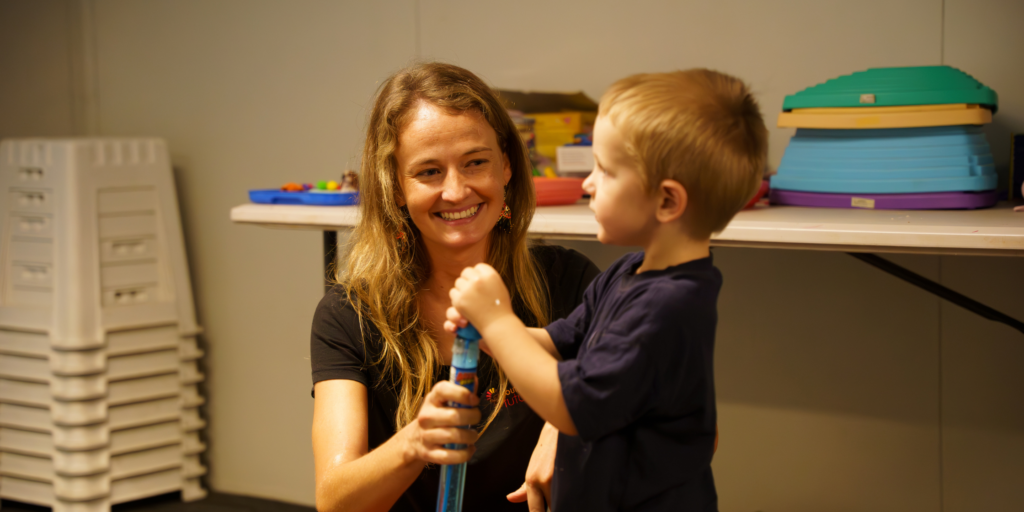
It is never too early to seek speech therapy. Even very young children can benefit from support that focuses on play, everyday routines and building communication in a natural, age‑appropriate way. Starting early does not mean putting pressure on your child. It means understanding how they are communicating now and supporting them gently as they grow.
For young children, speech therapy is a partnership with parents and carers. We work closely with you to share simple, practical strategies you can use at home, helping reinforce what happens during telehealth and in‑person sessions. This shared approach supports progress between appointments and gives parents confidence to support their child in everyday moments.
Not sure what the next step is?
If you are feeling unsure or just want to talk things through, you are not alone. Having a conversation early can help you understand your options and decide what feels right for your family.
Get in touch with our team to ask questions or arrange an assessment appointment.