
Wellbeing
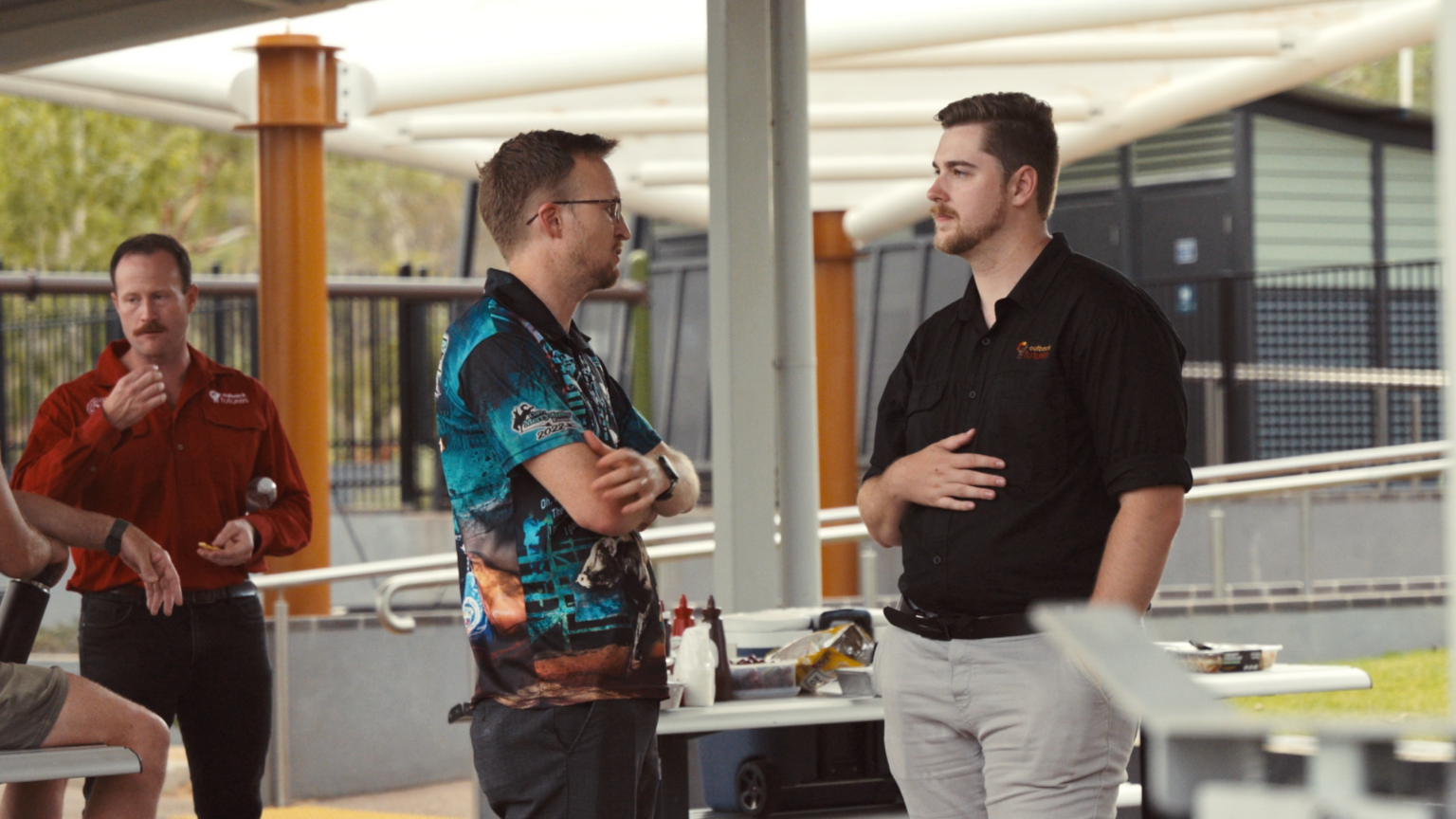
Simon Owen is the organiser of a regular men’s mental health BBQ in Cloncurry, which aims to create a healthy, safe space for country blokes to connect. He says, while Cloncurry is fondly known as the ‘friendly heart of the outback’, it’s easy to feel isolated and lonely, particularly for…
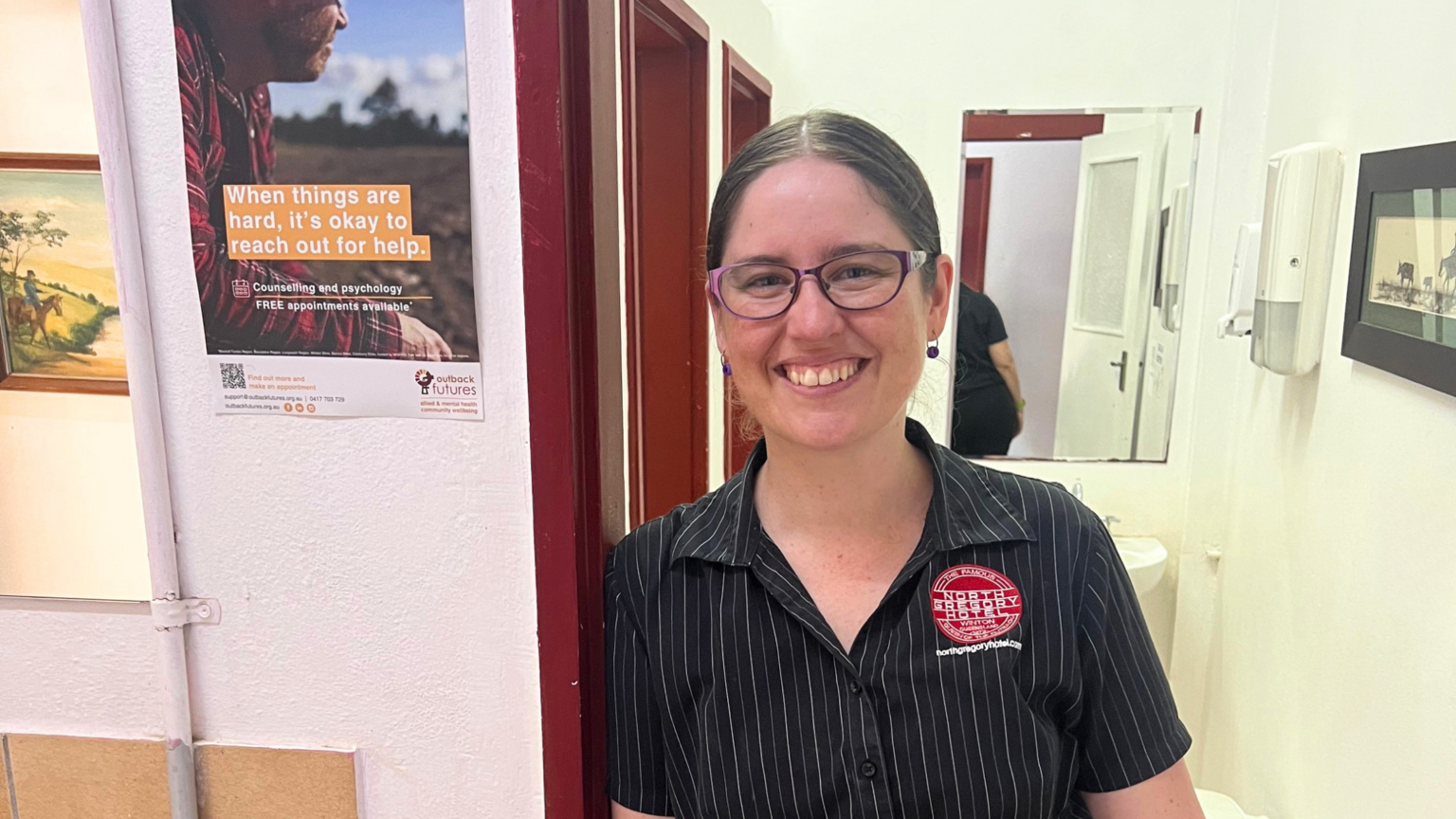
At the North Gregory Hotel in Winton, connection is part of everyday life. For publicans Chris and Irene Moore, the pub plays an important role in bringing people together and helping them feel part of the community. “Being a pub, we are a social network for people,” Irene says. “Sometimes…
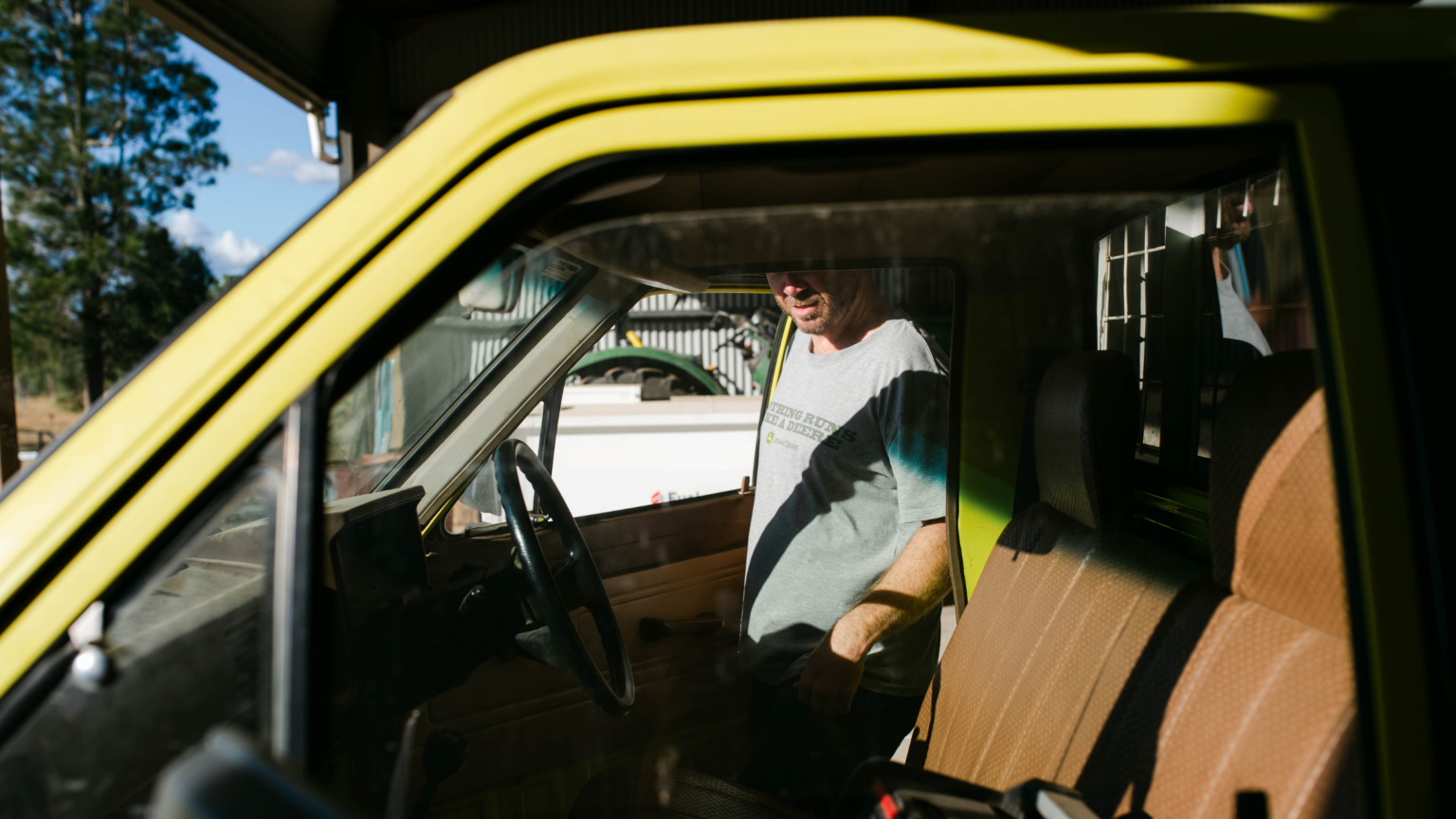
Life in the bush is busy. There is always work to do, and days can feel long and hard. When you are busy, it can be hard to look after yourself. But Quentin, one of our psychologists, says small breaks can really help. “After all, we’re happy to let…
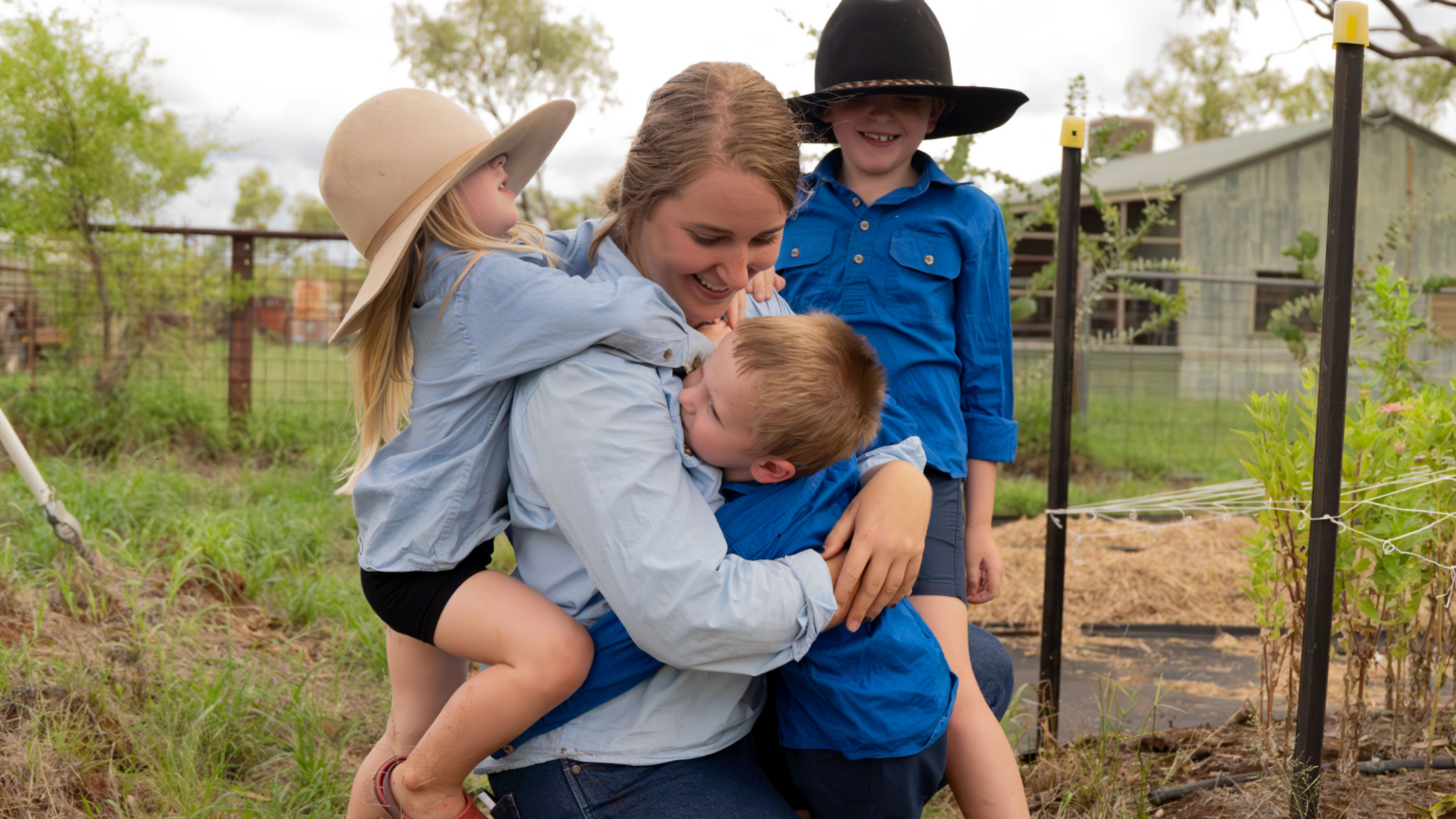
Personal wellbeing is about having enough in your tank to handle everyday life and still feel like yourself. You don’t need big changes or perfect habits to feel better. Often the most effective ways to boost wellbeing are the small things we do consistently to help us cope, stay connected…
A new year often motivates us to think about our priorities. Many of us start with good intentions, but sometimes we struggle to make those intentions stick. That’s where creating a habit can help. A habit is an effective way to make time for what matters most, like getting enough…
We all know the song about Christmas being the most wonderful time of the year. But for many of us, it can be challenging. The good news is there ways we can all reduce Christmas stress. Between shopping lists, social events, financial strain, and family expectations, the festive season can…
Grief at Christmas can feel overwhelming. While the festive season is often filled with joy, for those grieving, it can bring sadness, stress, and even isolation. Remember, grief is a normal response to loss, and there’s no right or wrong way to experience it. Here are some practical tips to…
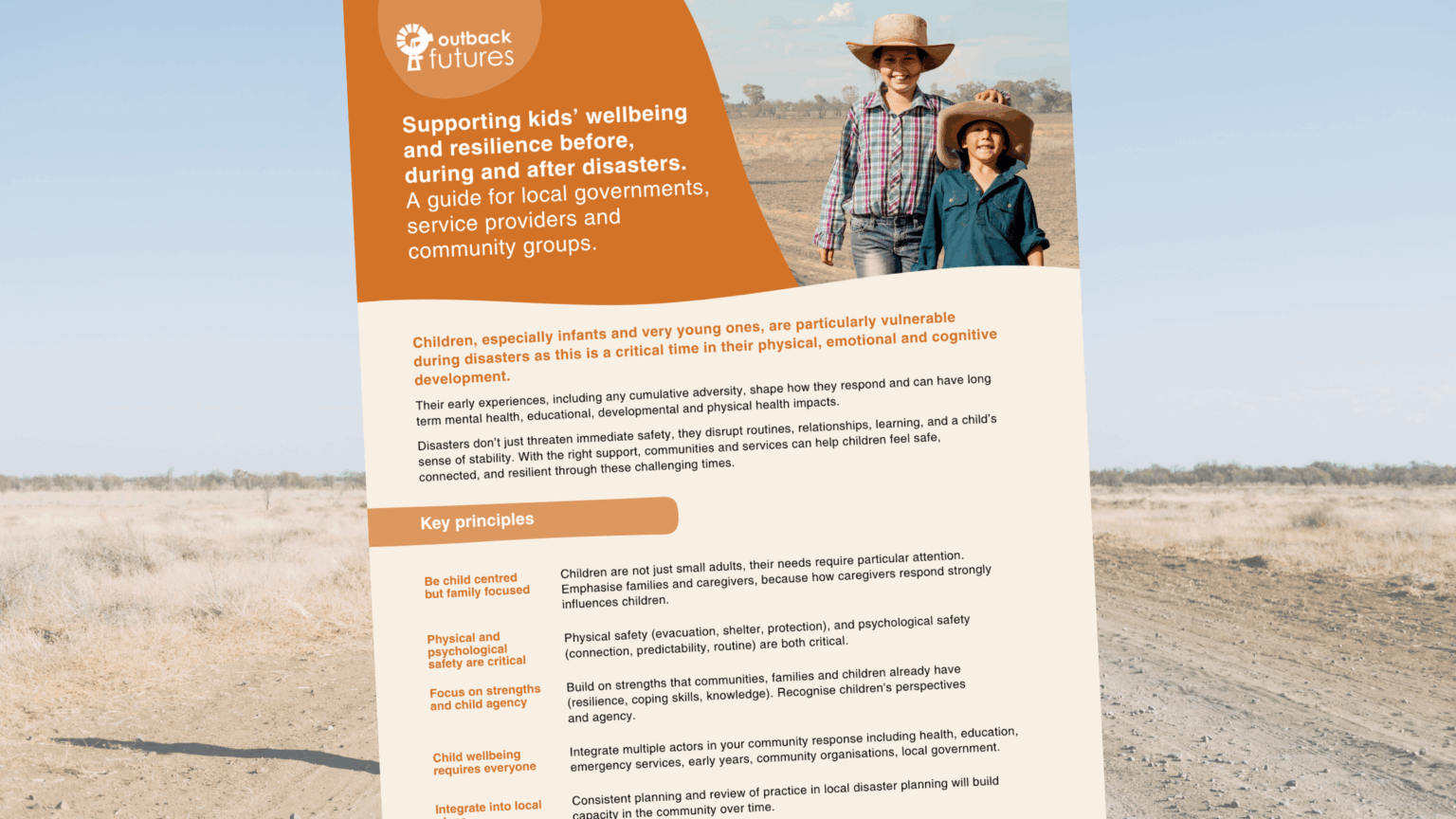
Community leaders play a vital role in helping families prepare, respond and recover from disasters. Children, especially infants and very young ones, are particularly vulnerable during disasters as this is a critical time in their physical, emotional and cognitive development. Their early experiences, including any cumulative adversity, shape how they…
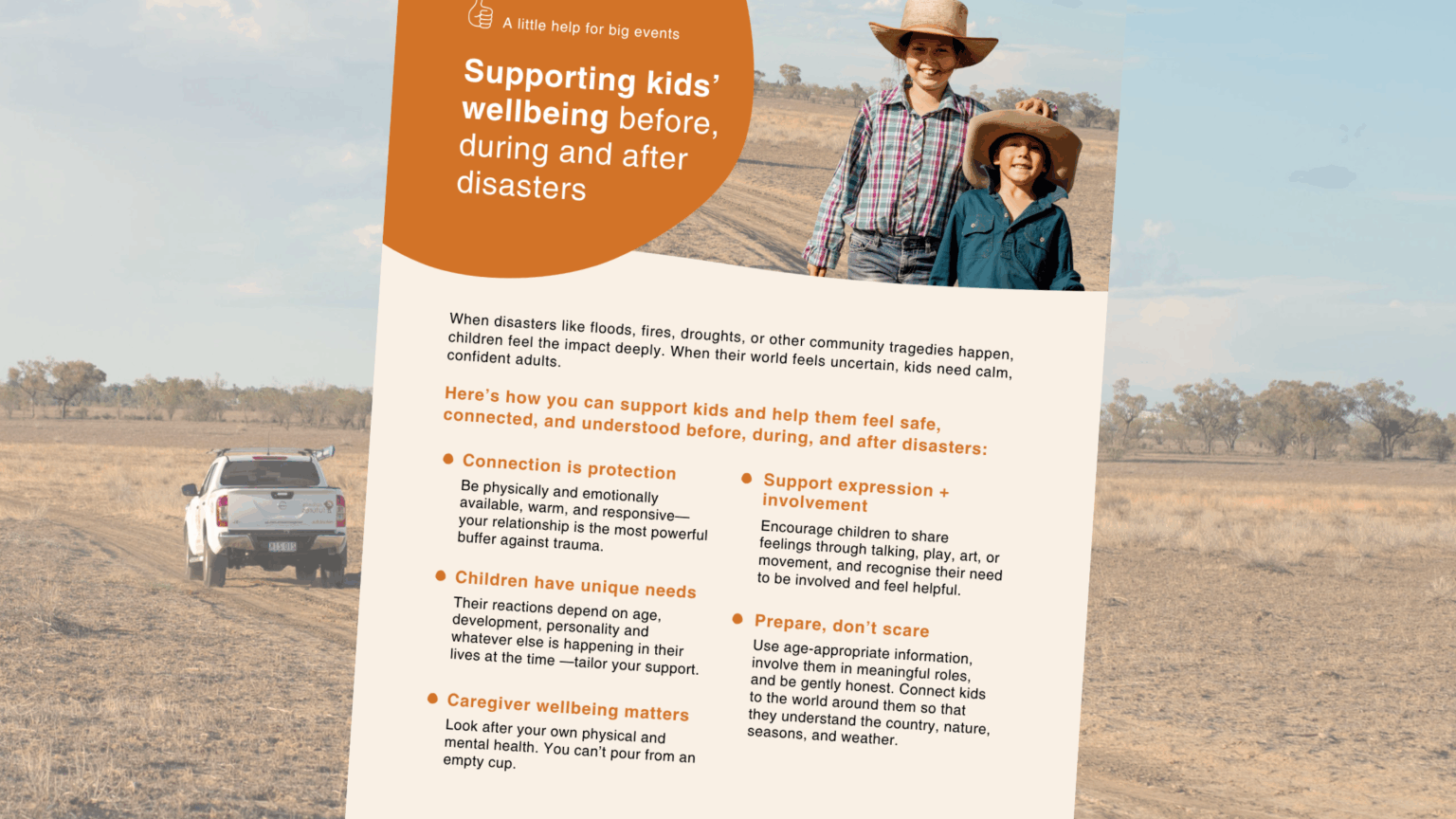
When disasters like floods, fires, droughts, or other community tragedies happen, children feel the impact deeply. Here’s how you can help kids before, during and after disasters to feel safe, connected and understood. Connection is protection: Be physically and emotionally available, warm, and responsive—your relationship is the most powerful buffer…
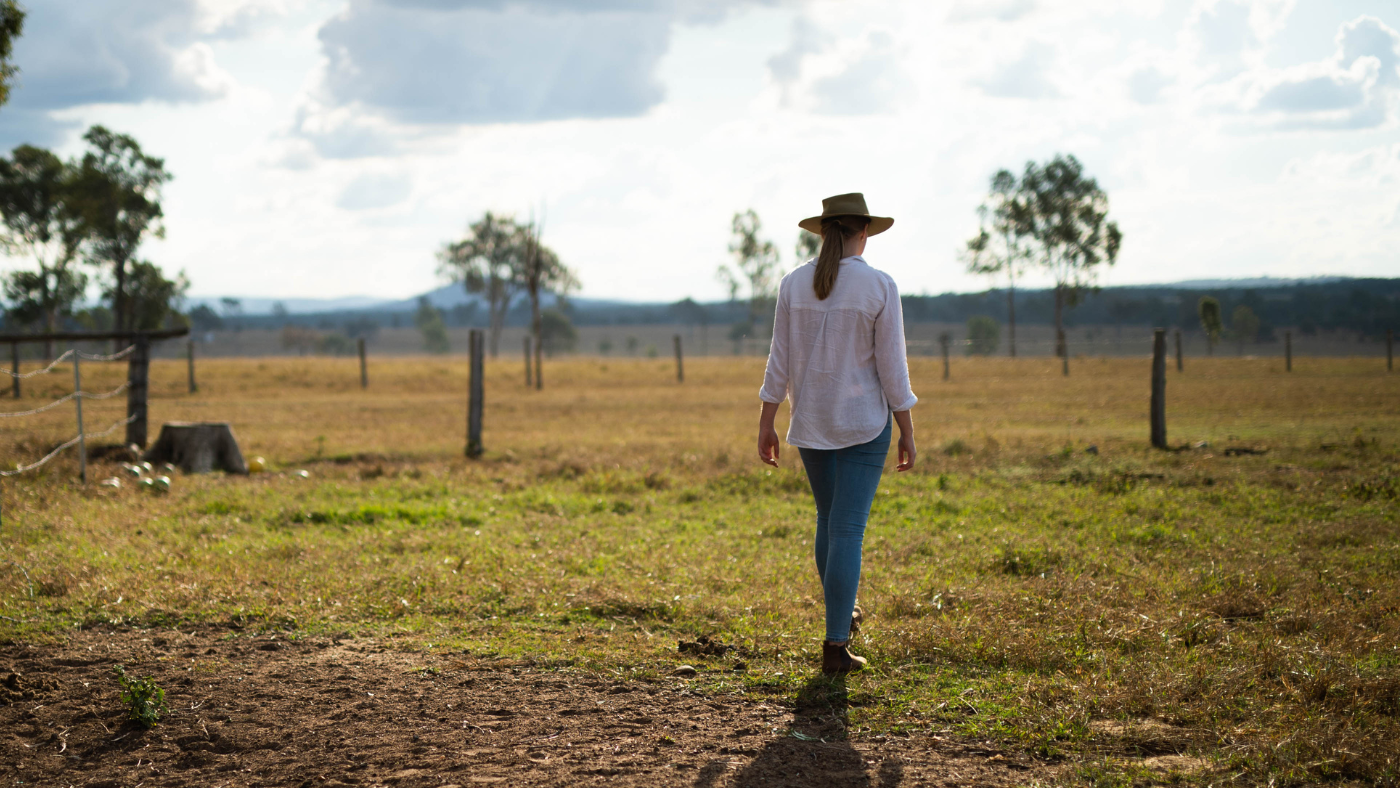
Going through a disaster takes an emotional and physical toll. In the days, weeks, and even months afterwards, you might find yourself running on adrenaline—dealing with the practical side of things, helping others, and trying to get life back on track. But stress doesn’t just disappear once the initial crisis…