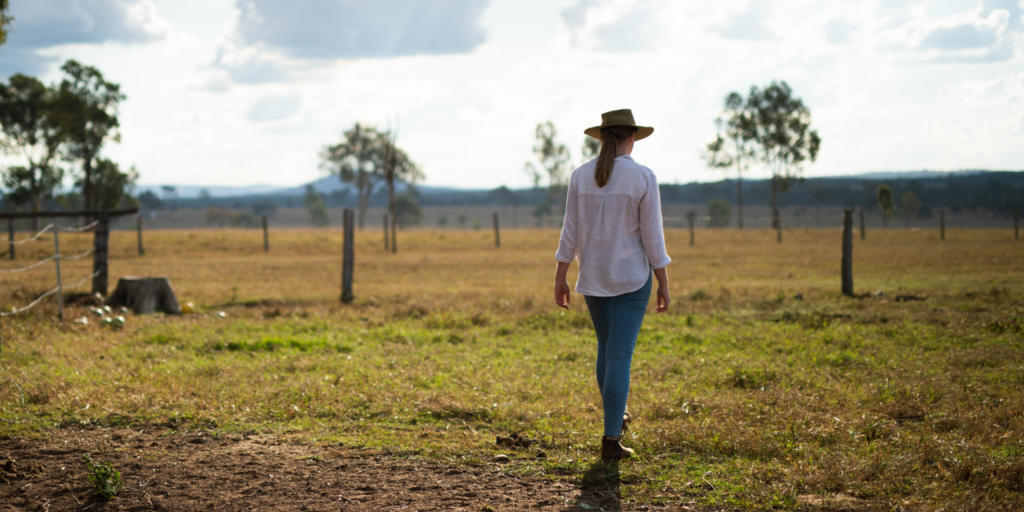
Breaking the stress cycle after a disaster
Going through a disaster takes an emotional and physical toll. In the days, weeks, and even months afterwards, you might find yourself running on adrenaline—dealing with the practical side of things, helping others, and trying to get life back on track.
But stress doesn’t just disappear once the initial crisis is over. You may not even realise how much energy you’re spending until you start feeling the effects. Stress can show up in different ways—through your thoughts, emotions, body, and relationships. These reactions are completely normal after a traumatic event, but if they go unchecked, they can become overwhelming.
Recognising stress symptoms
In the first few weeks after a disaster, stress responses are often at their strongest. Some people recover quickly, while others may experience symptoms for longer. Understanding these reactions can help you manage them.
Emotional reactions:
- Feeling detached, restless, or easily irritated
- Mood swings, including sudden sadness or anger
- A sense of hopelessness or overwhelm
- Avoiding certain places or situations that remind you of the event
Changes in your thinking:
- Difficulty focusing, making decisions, or remembering details
- Constantly thinking about the event or imagining different outcomes
- Feeling distracted or mentally overloaded
- Struggling to find the right words when speaking
Physical signs of stress:
- Tension, muscle tightness, or headaches
- Feeling constantly exhausted but struggling to sleep
- Loss of appetite or craving stimulants like caffeine, sugar, or alcohol
- Shaking, nausea, or general aches and pains
Changes in relationships:
- Pulling away from loved ones or, conversely, needing them around all the time
- Feeling misunderstood or unsupported by others
- Increased conflict, blaming others for stress
- Struggling to experience joy or affection
These feelings and reactions are expected after a distressing event. But if they persist, they can turn into an ongoing stress cycle. The good news is that there are ways to break the cycle and regain a sense of balance.
Breaking the stress cycle
Step 1: Recognise the signs
- It’s easy to get caught up in the demands of recovery and miss the signs of stress. If people around you notice changes in your mood or behaviour, take their concerns seriously.
Step 2: Identify patters of stress
- If stress has been ongoing for a while, it may have become part of your daily life. Recognising these patterns is the first step towards making a change.
Step 3: Focus on what you can control
- Not everything about the situation will be within your control, but some things will be. Look for small ways to reduce stress where you can.
Step 4: Reduce stressful activities
- If certain routines or commitments are adding to your stress, see if there are ways to ease the load. This can be difficult when the recovery journey after a disaster is long and there’s things that just have to get done, however even small adjustments can make a big difference.
Step 5: Make time for rest and enjoyment
- Finding moments of relaxation and joy can help counterbalance stress. Whether it’s a walk, a hobby, or time with loved ones, prioritising these moments is important.
Taking care of yourself
Looking after your physical and mental health can help you navigate stress more effectively.
Physical wellbeing:
- Move your body regularly—walking, swimming, or cycling can help release tension
- Eat balanced meals and reduce reliance on alcohol, caffeine, or sugar
- Prioritise rest, even if sleep is difficult
Relationships and support:
- Stay connected with supportive friends and family
- Reach out for help when you need it—there’s no shame in accepting support
- Talk to people you trust about how you’re feeling
Relaxation and mindset:
- Try deep breathing, meditation, or listening to calming music
- Allow yourself time to rest and recharge
- Keep in mind that recovery takes time—be patient with yourself
When to reach out for some extra support
Most people gradually recover from stress with time and support. However, if your symptoms are getting in the way of daily life, relationships, or your ability to function, it may be time to seek extra help.
Chatting with one of our counsellors or psychologists can help you tackle stress and get back on track as you recover from a disaster. Call or text 0417 703 729 or contact us online.
Other resources
Helping your child cope after a disaster
Managing stress when disaster hits