
When the Wheels Fall Off at Home: End of School Year Meltdowns Explained
Do you feel like your child falls apart the moment they walk in the door after school?
Lots of kids hold it together all day at school, then let it all out once they reach the one place that feels safe, usually with a parent or carer.
According to our Occupational Therapist Georgie, this is after school restraint collapse, and it’s exhaustion, not defiance. It often means your child coped brilliantly all day and is finally decompressing.
Why it lands hardest at home
All day a child’s nervous system stays on alert through noise, bright lights, rules, friendships and holding in big feelings. Think of it like a bottle slowly filling up. The lid is their self-control, and the moment they reach home, where they feel safe and loved, the lid comes off and everything pours out.
It’s overload, not misbehaviour
Yelling, melting down or shutting down can be a tired nervous system asking for help rather than deliberate misbehaviour. It’s not always the case, but it’s more likely to be a factor especially at the end of term or the school year.
What actually helps, with co-regulation first:
Be the calm they borrow. Georgie suggests you start with co-regulation, because little kids find our steadiness before they can find their own. A settled adult alongside them is the first tool, well before any strategy.
Food and water straight up. Most kids are hungry and empty after school, and a familiar snack can help reset and recharge for the afternoon.
Build in a soft landing. Give a decompression window of 15 to 30 minutes with no questions, no screens and no demands.
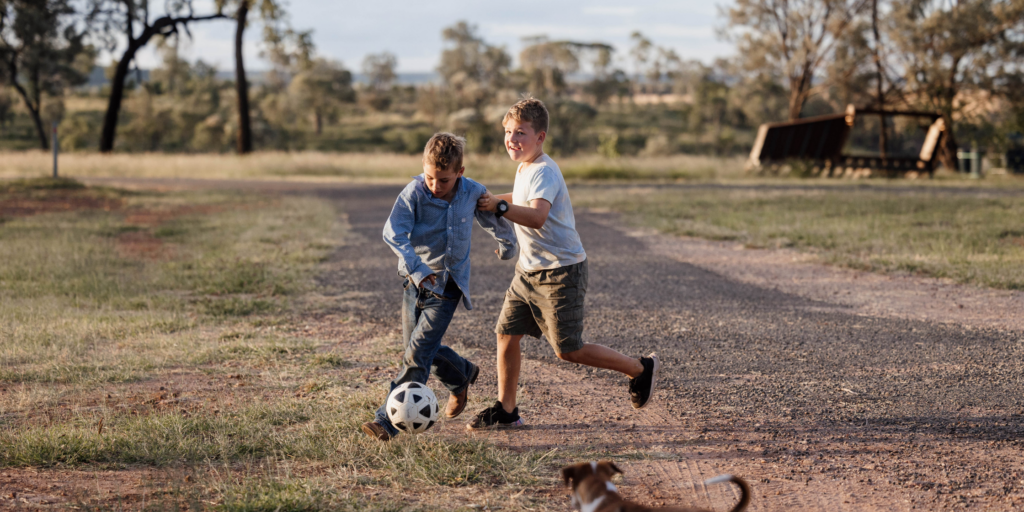
Move the body. A burst of physical work can help settle and calm a wound-up kid. Try things like carrying feed, filling up water, a run with the dog, climbing or bouncing.
Then bring it down. Follow the big movement with something slow such as bubble breaths, or a firm hug from a safe adult and some deep squeezes.
Name it. Help them put words to the feeling, even just “you look tired after a big day,” so the feeling has somewhere to go.
Save “how was your day” for later. The stories often come out at bedtime once the pressure has lifted.
Don’t take it personally. A child saving their biggest feelings for you is a sign your home feels safe, which is a good thing.
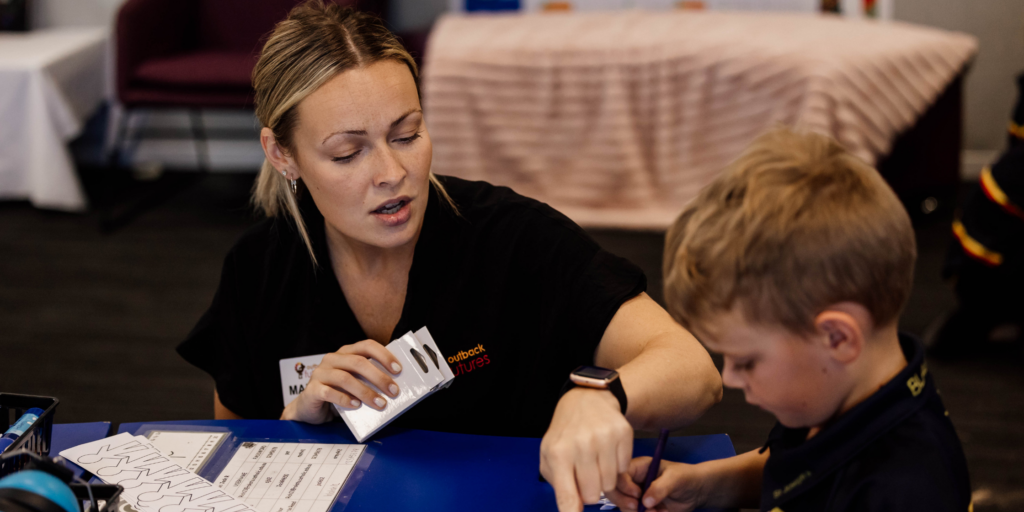
If the afternoons are intense most days, our team is here to support both kids and parents with practical tools and strategies. Find out more and make an appointment here.